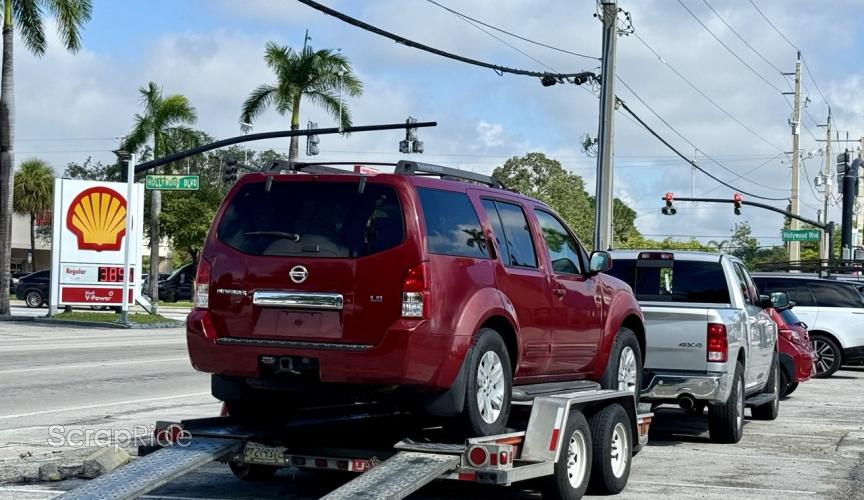
When oil mixes with coolant, it is one of the most serious problems your engine can face. This issue is often referred to as “coolant in oil” or “oil in coolant,” and it can quickly turn into a costly repair if left unaddressed. Both engine oil and coolant have very specific roles, and when they mix, neither can do their job properly. Understanding what happens when this occurs - and why it happens - is essential for any car owner.
⚠️ What Happens Inside the Engine
Engine oil is responsible for lubricating moving parts, reducing friction, and keeping the engine clean. Coolant, on the other hand, regulates engine temperature and prevents overheating. When these two fluids mix, several problems arise:
•Loss of lubrication: The oil becomes contaminated and turns into a thick, milky substance that looks like mayonnaise or chocolate milkshake. This mixture cannot properly lubricate bearings, camshafts, pistons, or crankshaft journals.
•Engine overheating: Because coolant is diluted by oil, it can no longer absorb and dissipate heat efficiently. This often leads to higher operating temperatures.
•Accelerated wear: Without proper lubrication, internal components such as piston rings, camshaft lobes, and bearings wear much faster. This can lead to low compression and a significant drop in engine performance.
•Sludge buildup: The oil/coolant mixture forms sludge that clogs oil passages, lifters, and sometimes the oil pump, starving the engine of lubrication even further.
If the problem is not caught early, the result can be catastrophic engine damage, including a complete seizure of the motor.
🛠️ Why Oil and Coolant Mix
There are a few common causes for this problem, most of them related to a loss of sealing between the engine’s oil and cooling systems:
1.Blown head gasket: This is the most frequent cause. The head gasket seals the combustion chambers, coolant passages, and oil passages between the engine block and the cylinder head. When it fails, oil and coolant can mix.
2.Cracked engine block or cylinder head: Extreme overheating or manufacturing defects can lead to cracks that allow oil and coolant to flow into each other’s passages.
3.Faulty oil cooler (heat exchanger): Some engines use a liquid-to-liquid oil cooler that runs engine oil through a small radiator inside the coolant system. If it cracks internally, the two fluids mix.
4.Improper repairs: Poor installation of a head gasket or damaged sealing surfaces can also lead to leaks between the systems.
🚨 Warning Signs
Some of the most common symptoms of oil and coolant mixing include:
•White, milky substance on the oil dipstick or under the oil cap
•Coolant that appears oily or has a brown, sludgy texture
•White smoke from the exhaust (burning coolant)
•Engine overheating or loss of cabin heat
•Sweet smell from exhaust or under the hood
Catching these signs early can save you thousands of dollars in repairs.
🏁 Conclusion
Oil mixing with coolant is a critical issue that should never be ignored. It means there is a breach somewhere inside the engine, most likely a blown head gasket, a cracked head, or a faulty oil cooler. Continuing to drive under these conditions can quickly lead to complete engine failure. If you notice any signs of contamination, stop driving the car and have it inspected immediately. In some cases, the repair can be as simple as replacing the head gasket or oil cooler, but if the problem is left untreated, you may face a full engine rebuild or replacement.


