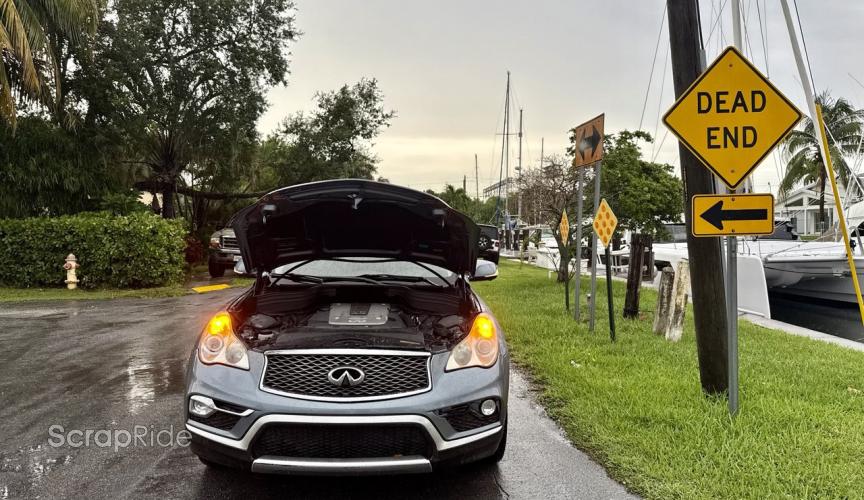
First One - Check the Battery
🔹Dashboard Indicators: If the dashboard lights don’t turn on or are dim, the battery may be dead.🔹Check the Terminals: Inspect for corrosion and clean with a brush and baking soda solution.
🔹Try Jump-Starting: Use jumper cables or a jump starter to see if the battery is the problem.
Check the Starter
🔹Listen for Sounds: A clicking noise when turning the key may indicate a faulty starter.🔹Check the Connections: Loose or damaged wires to the starter can prevent the engine from turning over.
Check the Ignition System
🔹Inspect Spark Plugs: Dirty or damaged spark plugs can prevent the engine from running.🔹Fuel Pump: Ensure the fuel pump is delivering fuel to the engine.
Check the Fuel System
🔹Fuel Level: Ensure you have enough fuel in the tank.🔹Fuel Delivery Problems: Check for clogged fuel filters that may block fuel from reaching the engine.
Check the Fuses
🔹Dashboard Warnings: A “Check Engine” light may indicate a blown fuse.🔹Inspect Fuses: Open the fuse box and replace any blown fuses.
Check the Clutch and Transmission (for manual cars)
🔹Check the Clutch: If the clutch doesn’t disengage properly, the car may not start.Contact a Professional
🔹If the car still won’t start, consult a mechanic as the issue may be related to electronics, the intake or exhaust system, or deeper engine problems.By understanding these troubleshooting steps, you can either fix the issue yourself or know when it’s time to call for help. Whether you’re buying a new car or dealing with an old one, proper maintenance and knowing how to handle unexpected problems can help you stay prepared on the road.
Buying a new car from a dealership in Florida is a straightforward process when you know what to expect. By following these steps, you can make an informed decision and drive away with confidence in your new vehicle. Additionally, if you have an old car to scrap, consider looking for We Buy Cars Nationwide services to maximize its value.


